Publisher →
Founded in 2002 with the aim of making German-language Go literature and affordable game equipment accessible to beginners and advanced players alike.
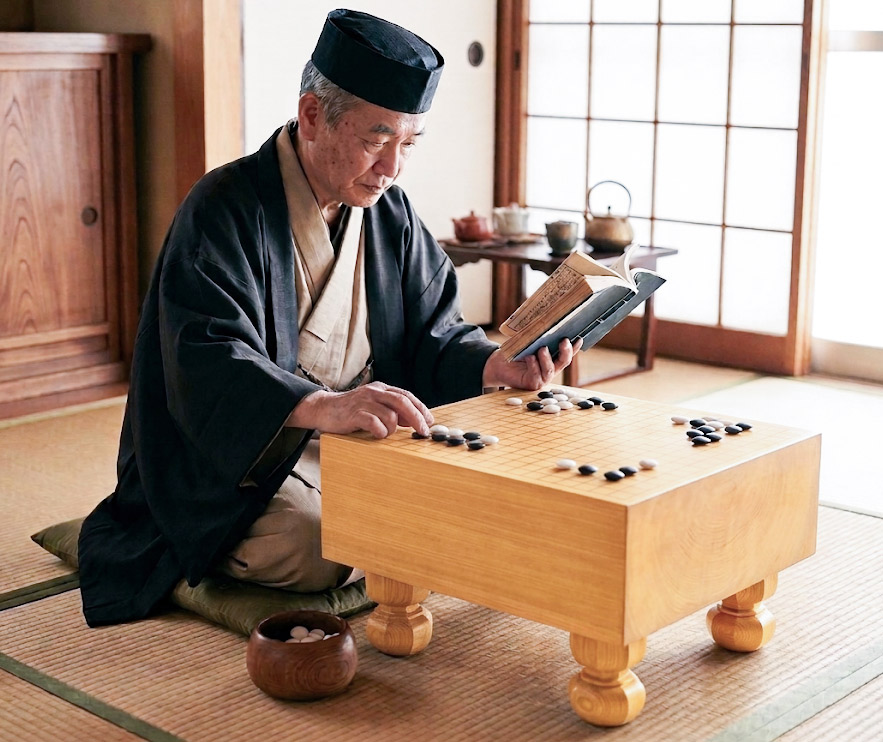
The game of Go – originally known as "Weiqi" – originated in China and is more than 4,000 years old. About 1,300 years ago, Weiqi made its way to Japan, where it was further developed into the form of Go most widely known today.
Even today, the game of Go holds immense cultural significance in Japan, China, and in Korea, where it is known as "Baduk". Through our publishing program and online shop, we promote the spread of this unique game in German-speaking countries and across Europe.
Founded in 2002 with the aim of making German-language Go literature and affordable game equipment accessible to beginners and advanced players alike.
At go-games.eu ↗, we stock Go boards, glass stones, Yunzi and shell stones, tins, and a wide international range of Go literature.
Editorial and technical management of the Deutsche Go-Zeitung (DGoZ), organisation of tournaments and seminars, and active support for young players.
Free multilingual game instructions in PDF format, starter packs for beginners and a configurator for discounted Go sets.
The game of Go (known as Weiqi 围棋 in China, I-Go 囲碁 in Japan, and Baduk 바둑 in Korea) is an East Asian board game for two players. Go captivates players with its simplicity and complexity in equal measure.
Even professional Go players in the Far East never play the same game twice in their entire lives. The number of possible board positions is not only vastly greater than in chess, but actually exceeds the number of atoms in the observable universe!
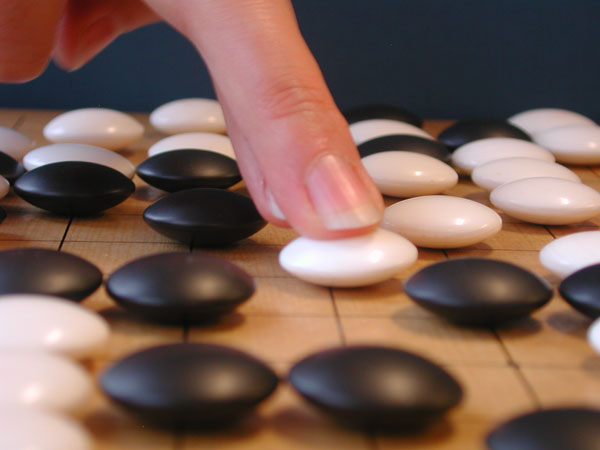
The rules of the game, however, are astonishingly simple. Go is played with black and white stones on a board with 19×19 lines. Players take turns placing stones on the intersections of the lines. The aim is to enclose territory – unoccupied intersections on the board – although it is also possible to capture the opponent’s stones. The winner is the player who has enclosed the most territory by the end. The two players are, as it were, farmers dividing up a piece of land between them, each wanting a little more than the other. It is not a question of owning the whole land. Each simply wants to prove that they are a little more skilful at dividing it up. It is not about destroying the opponent, but about scoring at least one more point at the end of the game. The game is based not on total war, but on a fair comparison of intellectual abilities.
There are more than 30,000 Go players in Germany. Of these, around 2,000 are members of clubs. During the Weimar Republic, the first Go group was formed in Berlin, meeting irregularly in a café. Today, there is a Go club with regular games in almost every major German city. Almost every weekend, a Go tournament is held in a German town or city. In addition, German Championships and European Championships take place every year. Beginners and anyone interested are welcome guests at the many regular game evenings held in individual towns and cities. There, you can have the rules explained to you and try to fathom the depths of the game. A list of game evenings in Germany can be found on the website of the Deutscher Go-Bund e.V.
The German Go Federation’s website also offers a good introduction and a short Go course. An interactive Go course in German provides a detailed introduction to the game of Go. We also offer a game guide (PDF) in three languages (DE/EN/FR) which familiarises you with the basic rules of Go.
Hebsacker Verlag was founded in 2002 by Steffi Hebsacker (1967–2024) and Tobias Berben with the aim of promoting the long-term growth of the game of Go in German-speaking countries and throughout Europe.
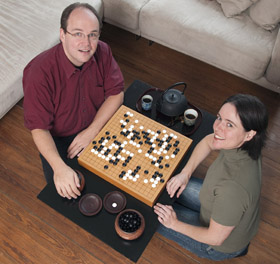
The impetus for founding the company came from the fact that Ravensburger Spieleverlag had ceased production of affordable Go sets. Steffi Hebsacker therefore designed an affordable beginner’s set made of cardboard and paper, with the support of the Deutscher Go-Bund e. V. Almost at the same time, Tobias Berben organised a reprint of the out-of-print German classic ‘Go. Die Mitte des Himmels’ by Michael Koulen. Together, the two founded a joint publishing house to serve as a framework for their projects.
It soon became clear that the publishing house needed its own website and an online shop. In the spring of 2003, the online shop was expanded to offer a comprehensive range of Go equipment and books. Since then, there have been a wide variety of projects and activities, as well as the ongoing expansion of the online shop, which currently stocks over 400 products.
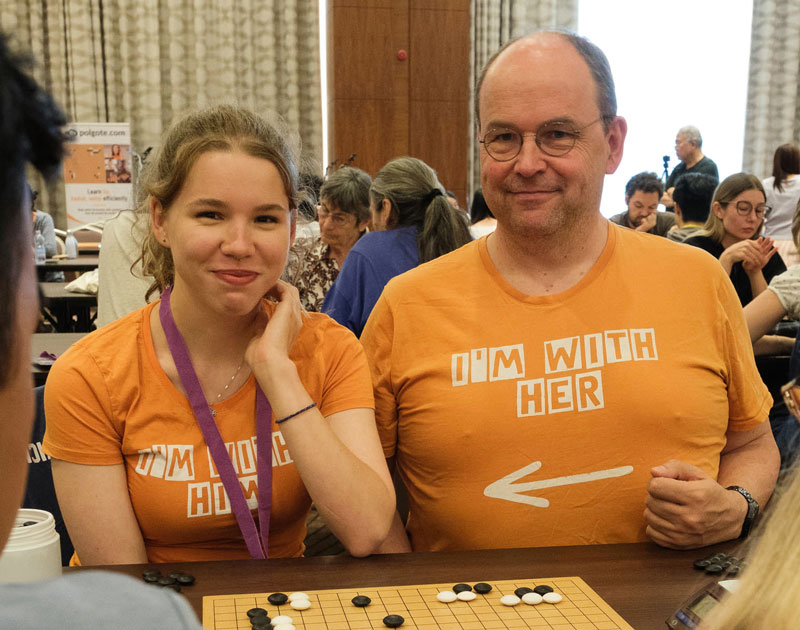
The publishing house is currently run as a family business by Hannah Hebsacker and Tobias Berben.
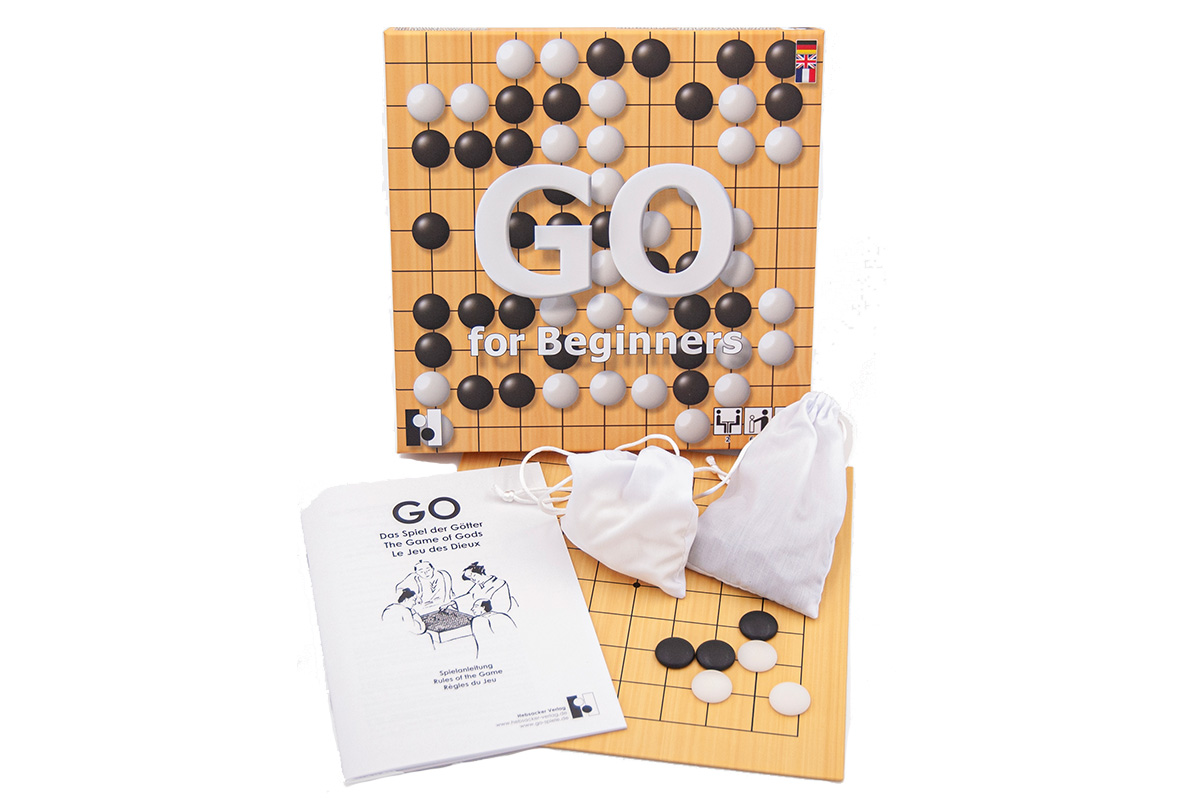
A 9x9 board with 2 x 40 plastic playing pieces in a cloth bag and trilingual instructions (German/English/French) in a slip-lid box. An ideal gift for anyone who wants to learn how to play Go ...
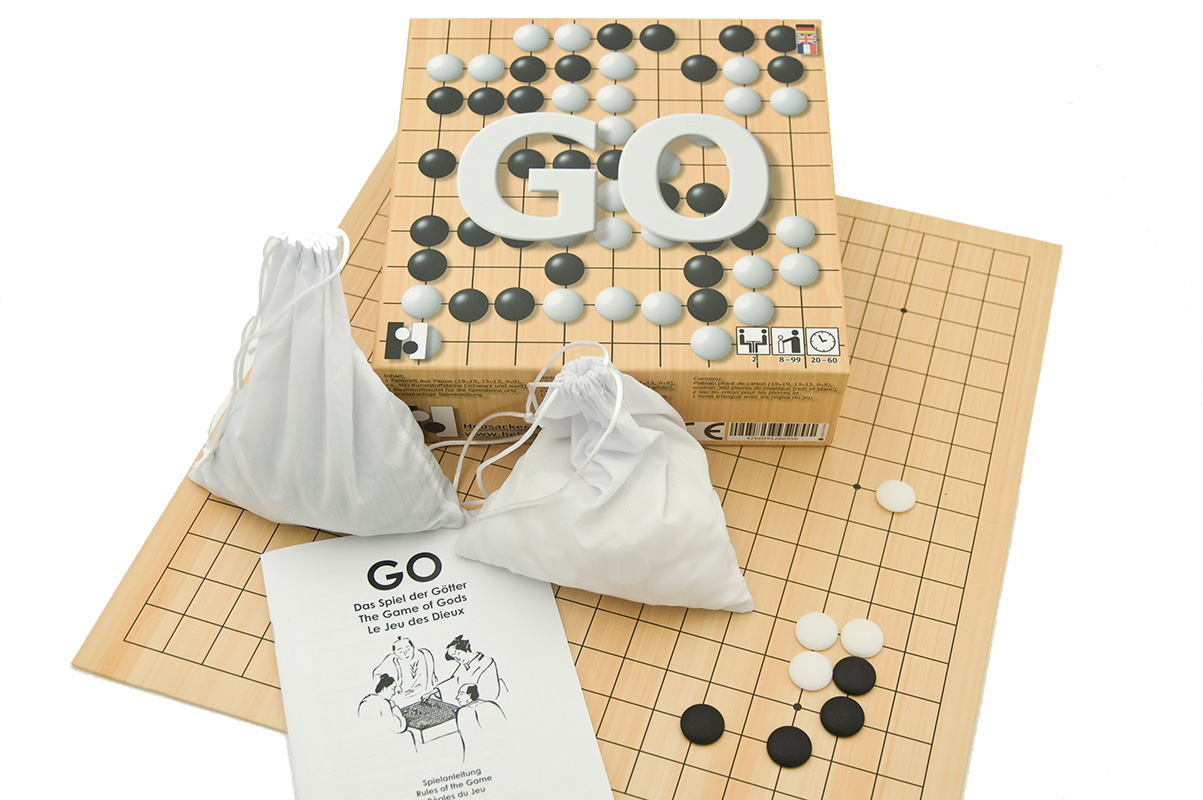
The complete starter set: a 19×19 cardboard board with a 13×13/9×9 reverse side, 2 × 180 plastic stones in a bag and trilingual instructions.
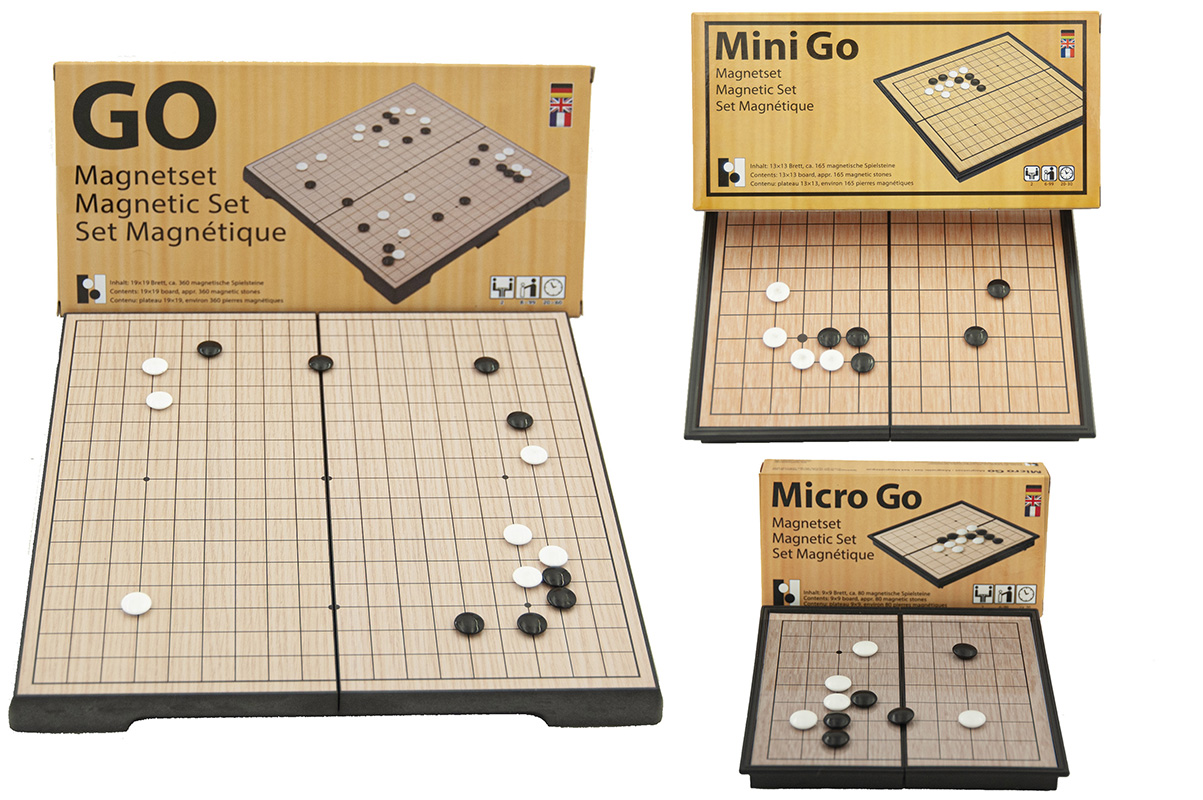
Compact magnetic Go sets with 19×19, 13×13 and 9×9 board. Ideal for travelling, on the train or for analysing games.
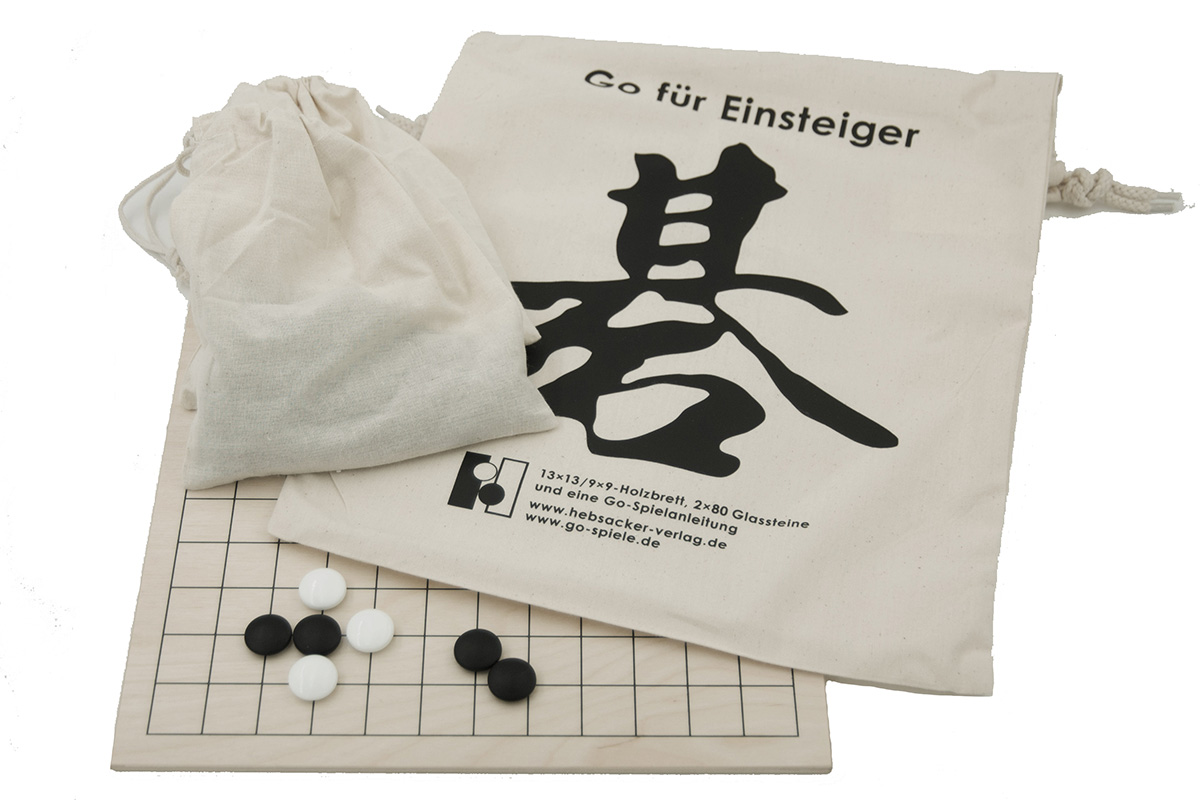
13x13/9x9 plywood board with 2x80 glass stones in a handy cotton bag, including instructions
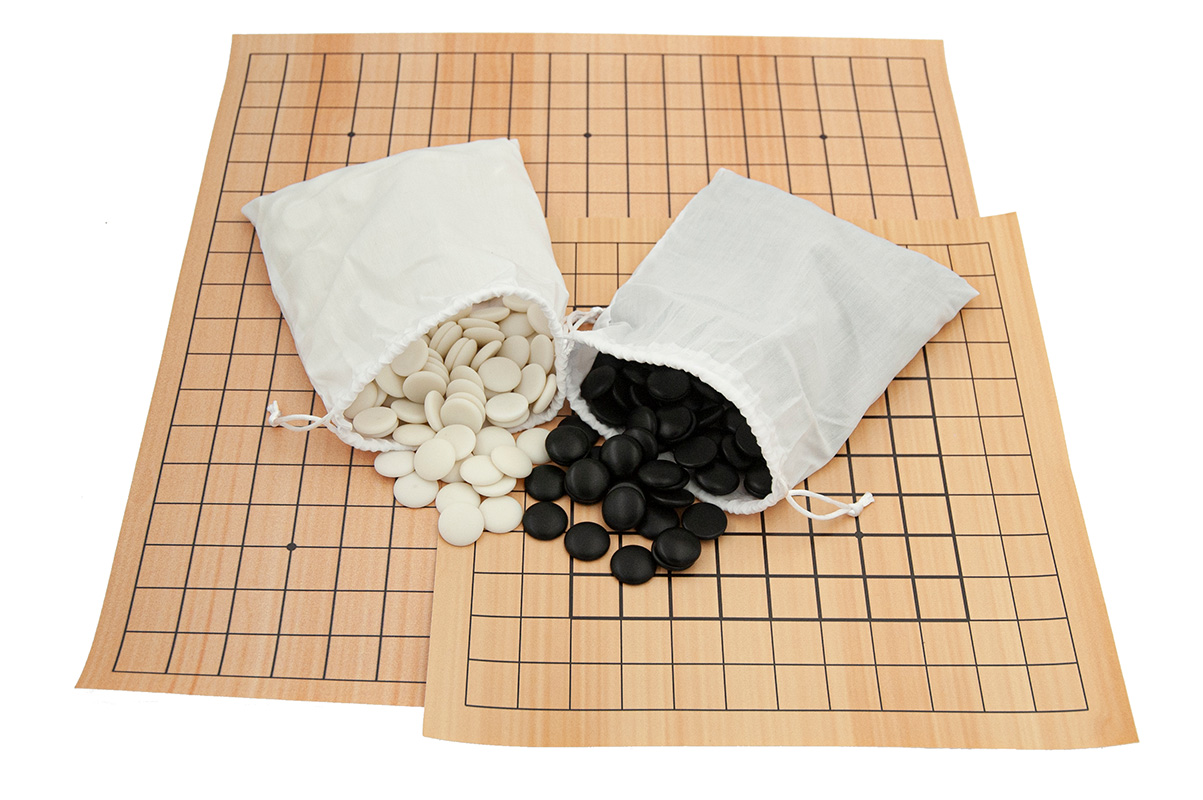
Flache Kunststoffsteine und Folienbretter mit 19x19 sowie 13x13- und 9x9-Aufdruck.
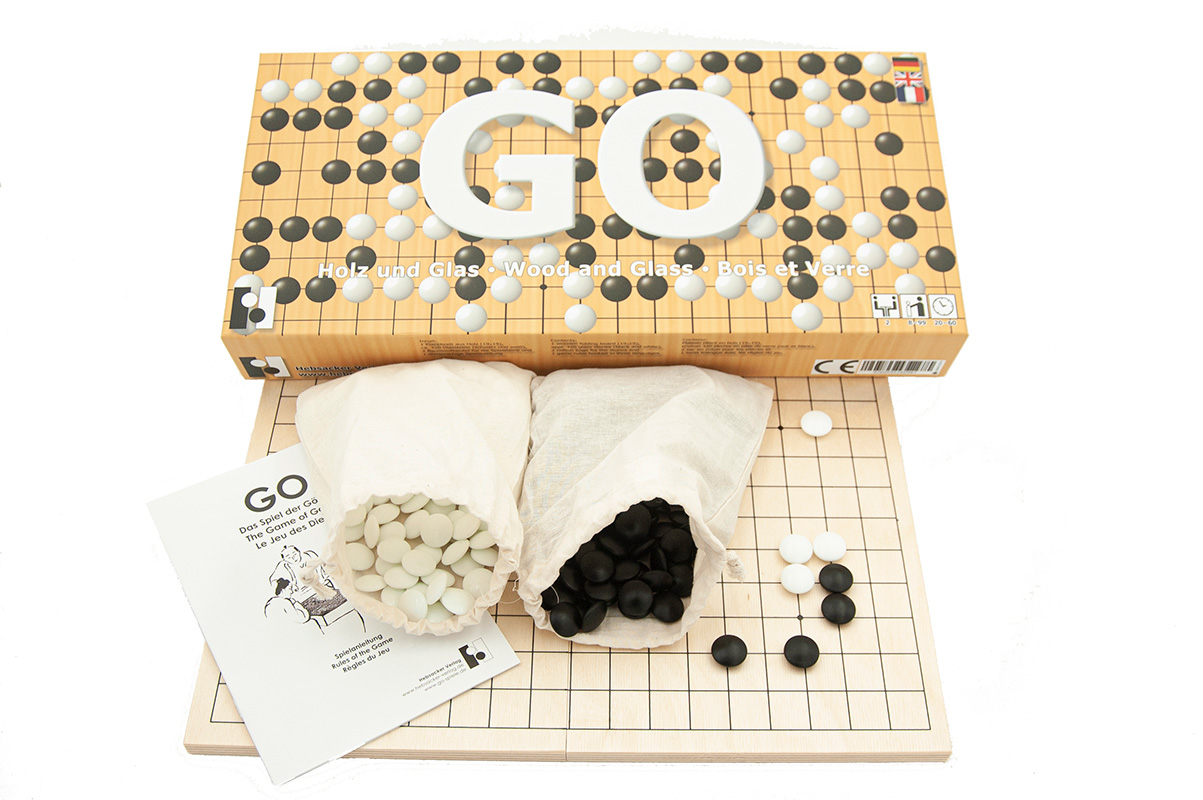
The Go Box contains a well-made 19×19 folding wooden board made from birch plywood, 2×160 8mm glass stones, and a trilingual rulebook, all presented in a suitable game box.
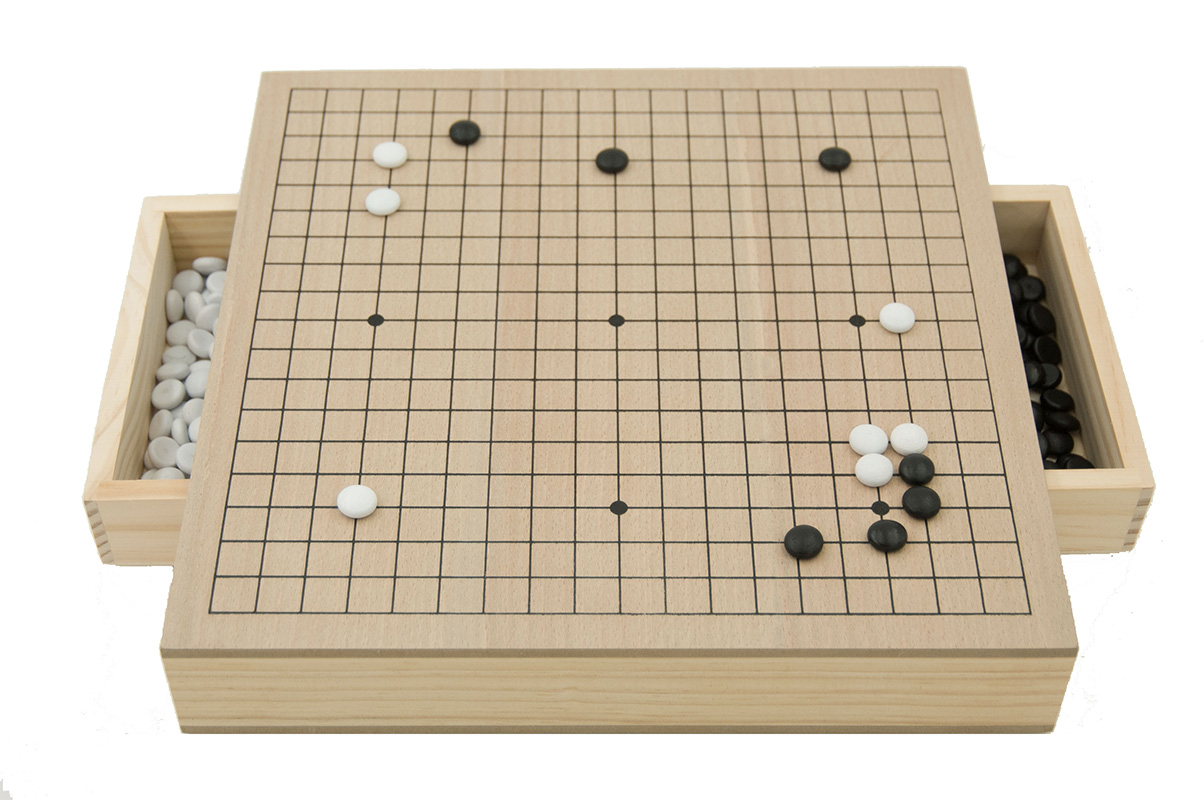
Small wooden Go board set, 30 x 30 cm, with drawers and 13 mm wooden stones
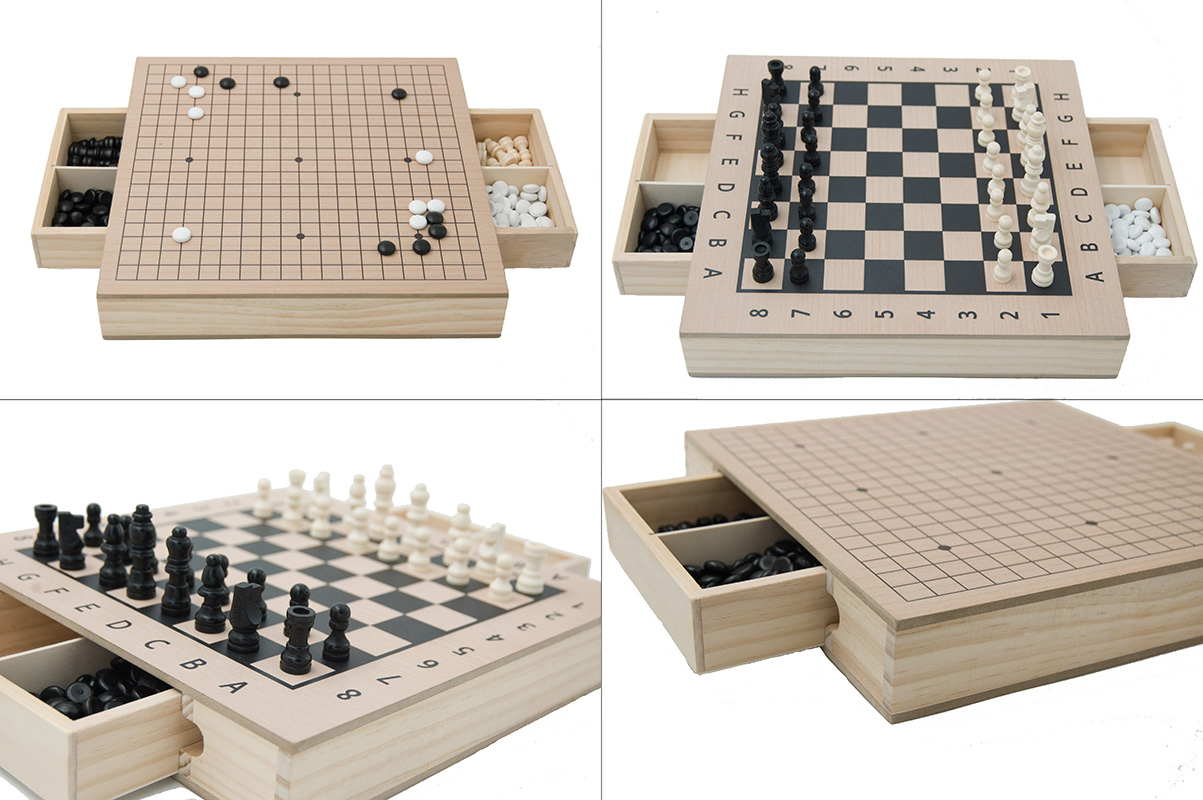
Small wooden Go and Chess board set, 30 x 30 cm, with drawers and wooden pieces
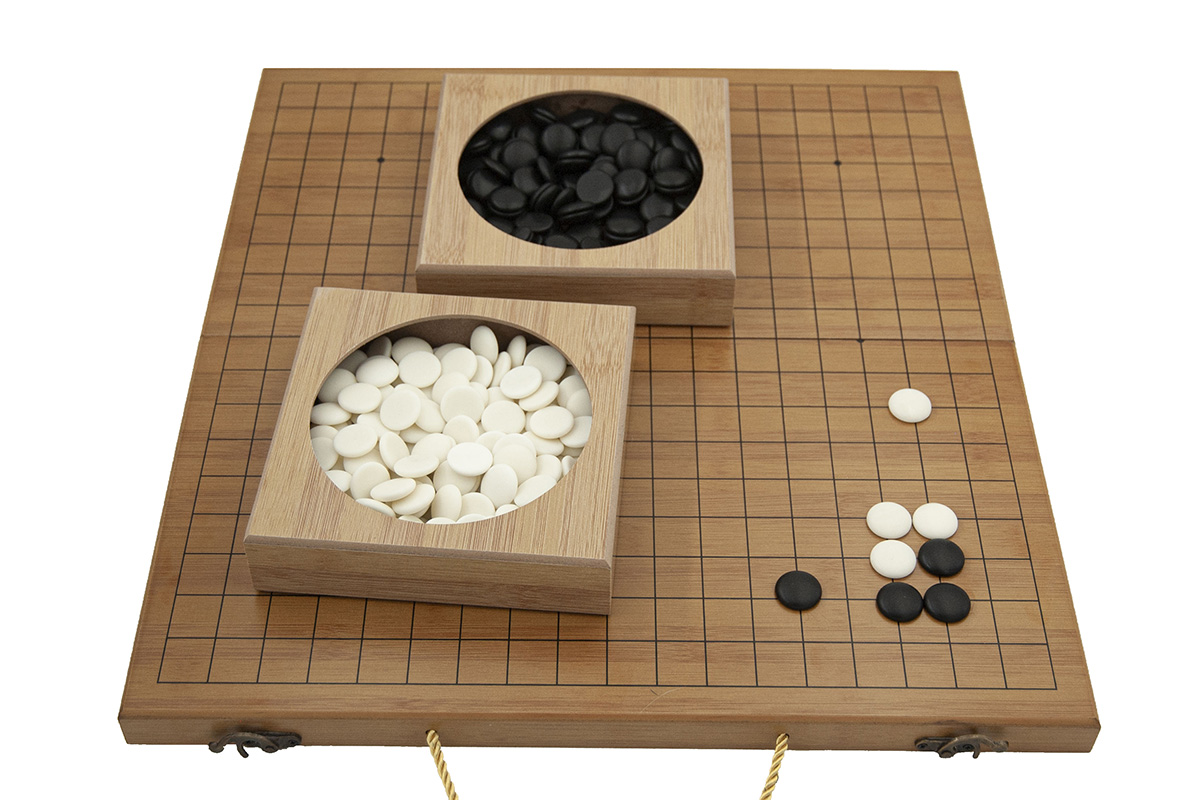
A handy, flat box containing a 19x19 board, including two small boxes with plastic or glass stones
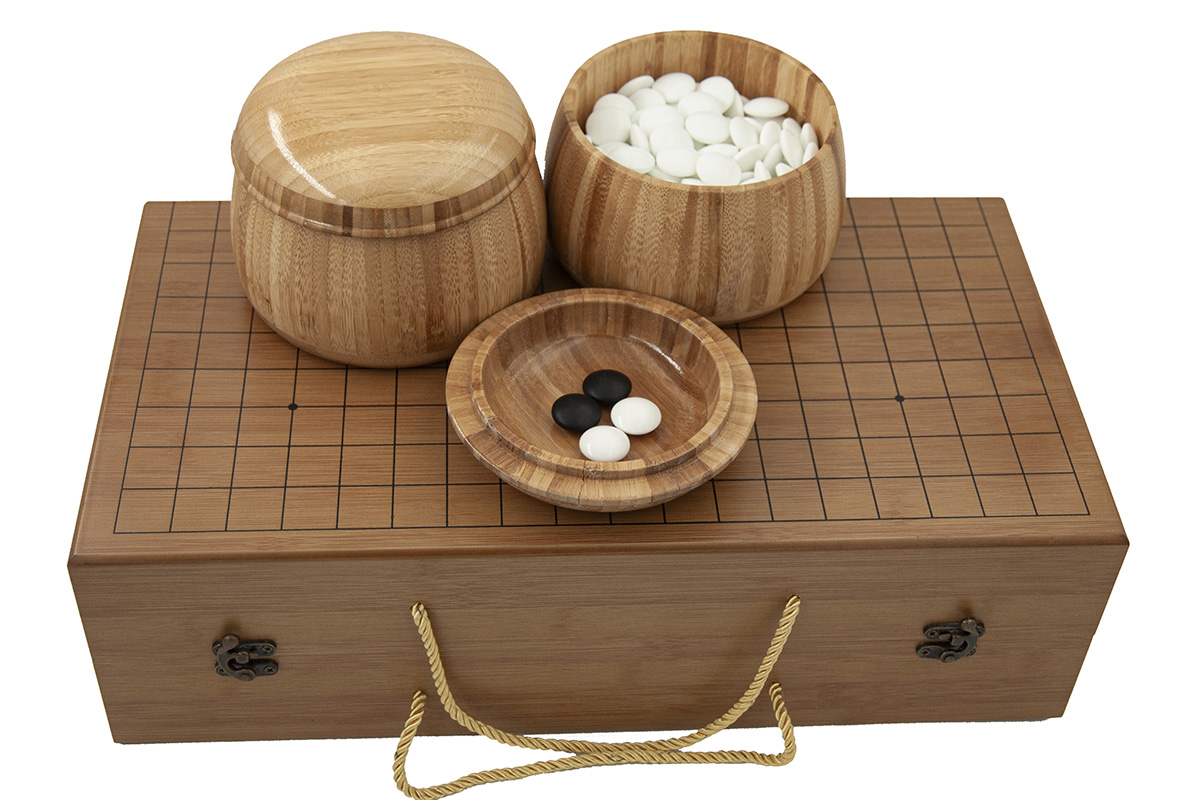
A practical, high box containing a 19x19 board, including bowls and glass or Yunzi stones

In German only! Von Michael Koulen. Geschichte, Kultur, Spielregeln und Meisterpartien - das Buch über den kulturellen Hintergrund des ältesten Brettspiels der Welt!

In German only! Von Jörg Digulla u. a. Eine klar strukturierte Einführung in das Brettspiel von den Grundregeln bis zur vollständigen Partie. Empfohlen vom Deutschen Go-Bund e.V.!

In German only! Von Richard Bozulich. „Was man wissen muss, nachdem man die Regeln gelernt hat.“ Das ideale Buch auf dem Weg zum erfolgreichen Go-Spieler!
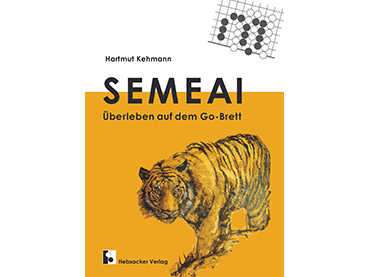
In German only! Von Richard Hunter. Systematisches Lehrbuch zur Berechnung und Meisterung von Freiheitskämpfen - auch mit Augen und Ko.

In German only! Von Tobias Berben. In diesem Heft sind alle 28 Partien der DM 2004 abgedruckt, die Hälfte mit ausführlichen Kommentaren.

By Tobias Berben. This is a concise overview of the rules (DIN A5, DE/EN/FR).
By Antti Törmänen (English). The book contains all 78 Go games officially played in 2016 by Google’s AI software, AlphaGo.
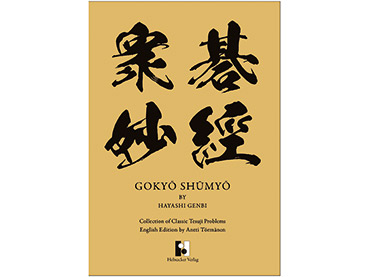
By Hayashi Genbi (English). A famous historical collection of problems dating from 1812, containing over 500 classic Go problems.
By Antti Törmänen (English). A practical and precise method for evaluating endgame moves (yose) and for making confident decisions.
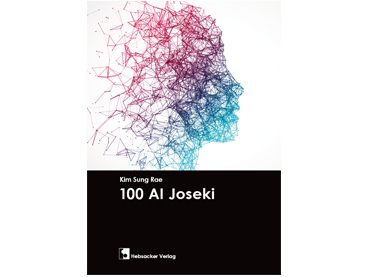
By Kim Sung Rae (English). A concise reference work on the most important modern standard opening sequences in the age of artificial intelligence.
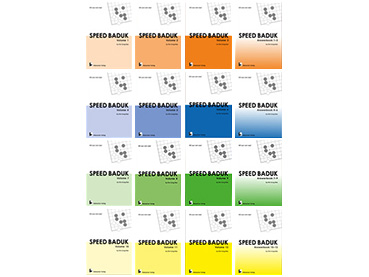
The successful training series (English): 12 workbooks, each building on the previous one, containing hundreds of exercises for classroom use and self-study, complete with answer books.
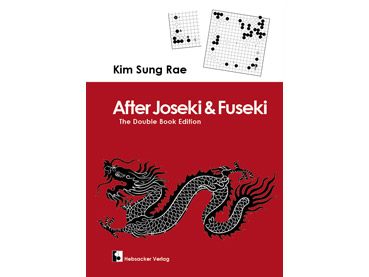
By Kim Sung Rae (English). The book illustrates follow-up moves in well-known joseki and mid-game joseki following the fuseki.
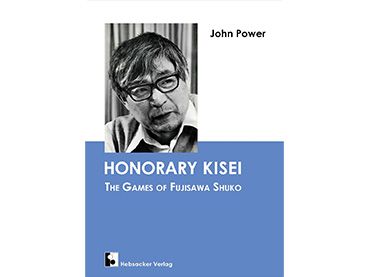
By John Power (English). The book contains all 40 games from the legendary Fujisawa Shuko’s Kisei title matches.
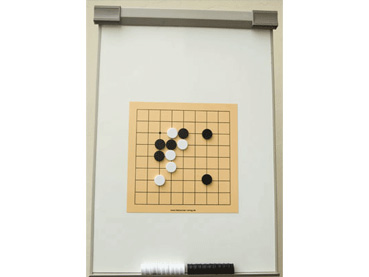
Demo board (9×9) with magnetic Go stones, for introducing Go in a beginners’ course or at school.

A comprehensive classroom set comprising 9x9 sets in a carrying case, ideal for schools and clubs wishing to incorporate Go into lessons or project weeks.

A handy all-in-one case designed especially for school clubs and youth groups – containing several 13x13 and 9x9 sets.
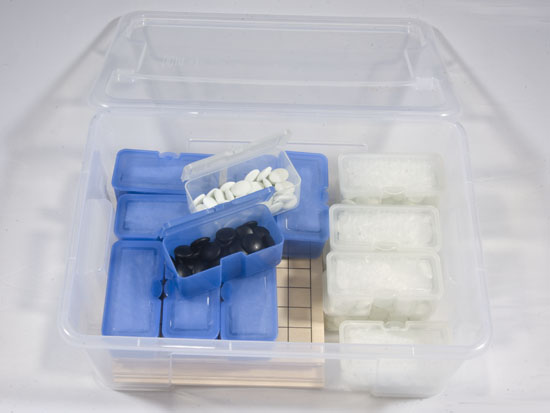
6, 8 or 10 9x9 beginner’s sets for introductory Go courses and seminars with smaller groups.
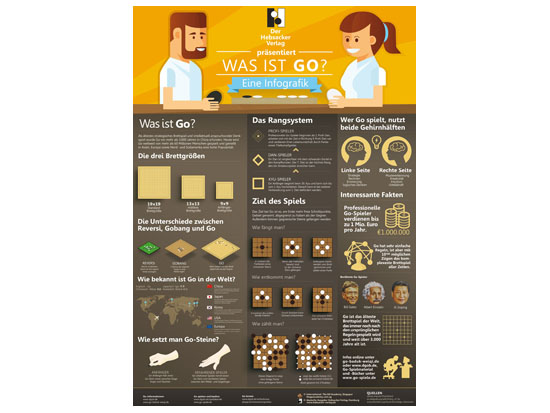
In German only! Poster mit Infos zum Go-Spiel, um Werbung für das Spiel zu machen.
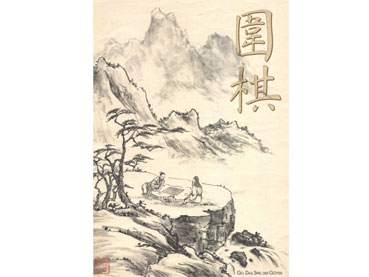
Go poster ‘The Wise Men’, A2 (42 x 59.4 cm), 300g high-quality matt print
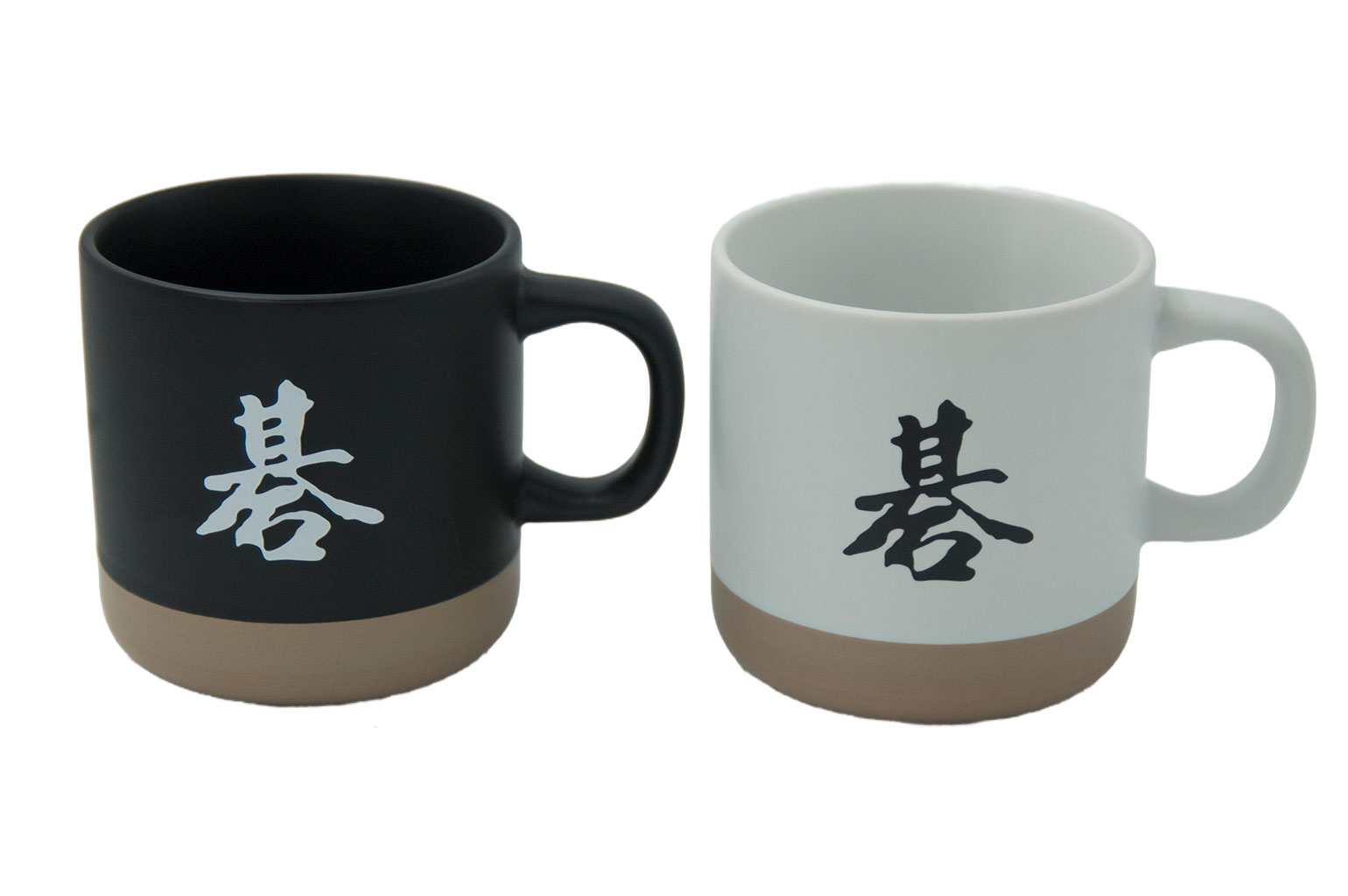
Mug featuring Go-Kanji, ceramic, black and white, 350 ml capacity, 330 g
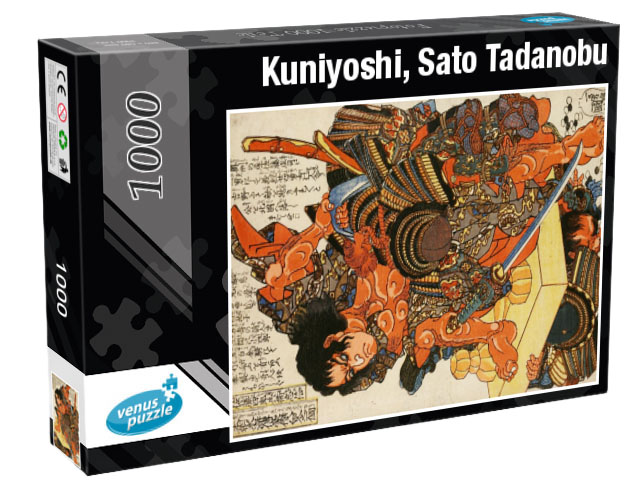
1,000-piece jigsaw puzzle: Kuniyoshi, Sato Tadanobu, 68 × 48 cm
Rulebook (PDF), starter packs with up to 25% off, complete sets (board, pieces, bowls) with 10% off